Finding the Right Marietta top Pool Maintenance for Professional Pool Cleaning
Finding the Right Marietta top Pool Maintenance for Professional Pool Cleaning
Blog Article
Full Pool Maintenance: Keep Your Pool Pristine Year-Round
Thorough pool maintenance is vital for every pool owner. It guarantees a pristine and safe swimming environment throughout the year. Regular maintenance not only improves water clearness but also avoids costly repairs. Understanding the essential tasks involved can make a major difference. With the right tools and knowledge, anyone can manage their pool effectively. However, many overlook key aspects that could enhance their pool experience. What are these essential practices that can turn a typical pool into a spotless oasis?
What All Pool Owners Ought to Know About Care
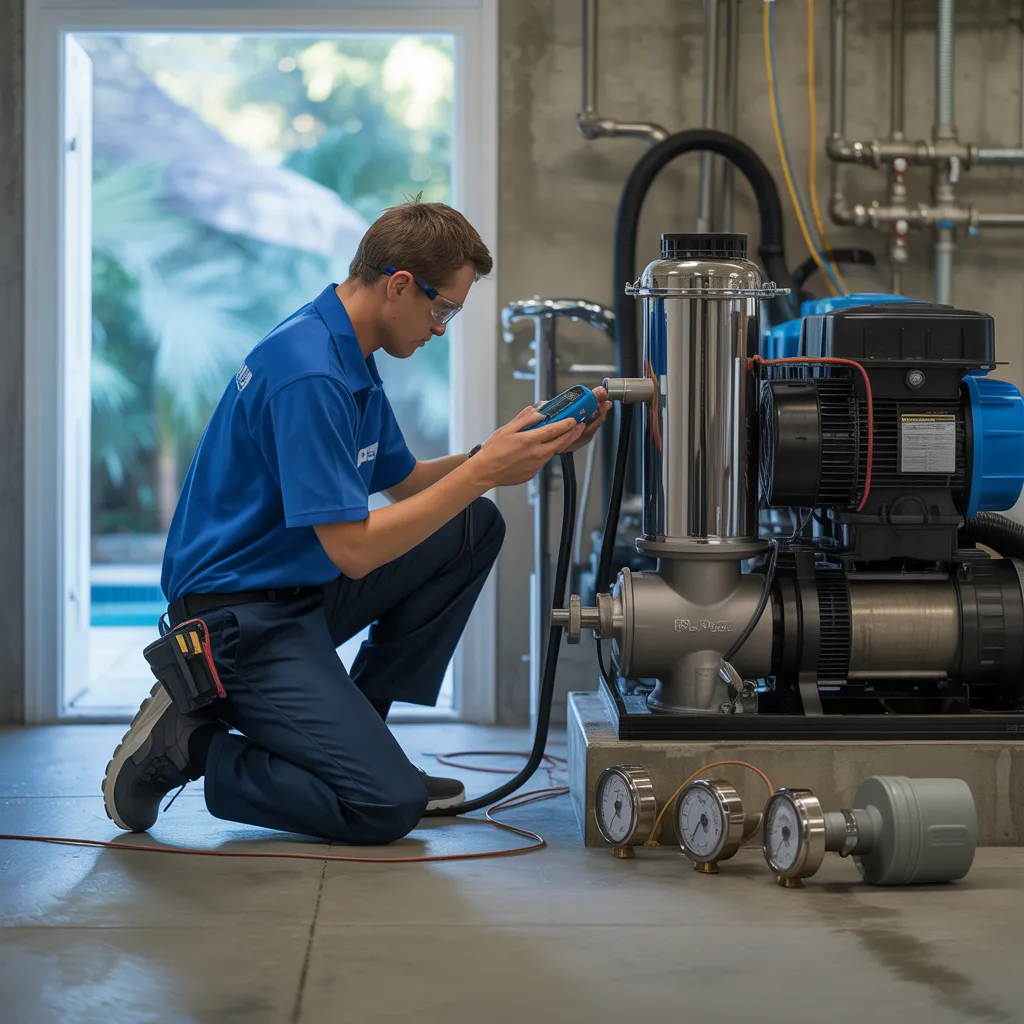
Maintaining a pool requires careful attention and knowledge of essential practices. Every pool owner should understand the significance of consistent upkeep to ensure water clarity and safety. Routine tasks include testing chemical balance, which should be regulated to stop algae formation and maintain swimmer comfort. Filtration systems need regular inspection, as they play a crucial part in maintaining water purity.
Pool owners should also inspect pool surfaces and equipment for indicators of deterioration or harm, tackling problems quickly to avoid costly repairs. Consistent skimming and vacuuming help eliminate debris that can affect water condition.
Understanding seasonal patterns is significant; securing a pool in colder climates can guard it from deterioration. Information of local regulations check this regarding pool care can also inform owners in following safety standards. At the end of the day, a intentional strategy to pool management not only strengthens the swimming experience but also extends the life of the pool itself.
Key Tools for Effective Pool Upkeep
A properly outfitted pool owner recognizes that having the right tools is essential for effective pool care. Key tools include a debris net, which efficiently removes debris floating on the water's surface, and a suction cleaner to clean the pool floor. A reliable pool brush is important for cleaning the walls and steps, preventing algae buildup. Additionally, a water testing kit is required for tracking chemical levels, guaranteeing a safe swimming environment.
To maintain adequate flow, a good-quality pool pump is essential, while a filter system preserves the water clean. Pool maintenance also benefits from accessories like a telescopic pole, enabling users to reach difficult areas. Finally, purchasing a cover protects the pool from debris and cuts down on upkeep duration. These important tools enable pool owners to care for their pools effectively, making them sparkling and appealing throughout the year.
Why Frequent Maintenance Maintains Your Pool Sparkling
Maintaining a sparkling pool depends on regular maintenance, preventing debris buildup and sustaining water clarity. The appropriate equipment and a consistent cleaning routine are important components of this task. Understanding why regular upkeep matters can improve your pool's visual appeal and longevity.
Essential Housekeeping Equipment Required
While enjoying a crystal-clear pool is a pleasure for any homeowner, the correct maintenance tools are essential for sustaining it in sparkling condition. A trustworthy skimmer net is critical for removing leaves and debris from the surface of the water. Additionally, a pool brush helps maintain tile and wall condition, thwarting algae buildup. A vacuum, whether manual or automatic, can efficiently clean the pool floor, ensuring no dirt remains. Test kits are also crucial for supervising water chemistry, allowing for timely adjustments. Finally, a pool cover can protect the pool from contaminants when not in use, cutting down overall cleaning time. Together, these tools form the foundation for effective pool care, contributing to a consistently attractive swimming environment.
Routine Pool Cleaning Intervals
How often should a pool be cleaned to preserve its shine? Consistent cleaning is essential to ensure an immaculate aquatic environment. Typically, pools should be skimmed and swept each week to remove debris, foliage, and dirt. Additionally, brushing the surfaces and floor at least once a week helps avoid algae buildup. Water chemistry should be checked two to three times a week to ensure proper balance, while filters need cleaning or replacement according to manufacturer recommendations, typically every 1-3 months. Seasonal deep cleaning is also recommended, including thorough scrubbing and inspection of equipment. By adhering to this maintenance routine, pool owners can maintain a gleaming pool, decreasing the likelihood of more extensive issues arising later.
Benefits Of Periodic Maintenance
Regular cleaning processes not only boost the appearance of a pool but also significantly aid its overall health and life span. Frequent cleaning avoids the buildup of waste, algae, and dangerous germs, guaranteeing a safe environment for swimming. Timely resolution of these issues helps pool owners sidestep costly repairs and prolong the durability of their pool equipment. Also, frequent cleaning assists in maintaining water chemistry balance, key to preventing corrosion and scaling. A well-maintained pool also provides a more enjoyable swimming experience, as clear water and a clean surface are inviting. In the end, consistent maintenance is crucial to keeping both the function and appearance of a pool intact year-round.
Pool Chemical Balance: A Practical Guide
Keeping pool chemicals balanced is necessary for maintaining water clarity and well-being. Key factors include chlorine, alkalinity, and pH levels, all of which necessitate periodic checking. Analyzing the water routinely and making necessary corrections confirms a wholesome swimming environment.
Vital Chemical Constituents
Keeping a pristine and secure swimming pool depends greatly on understanding vital chemical components. The primary chemicals involved consist of chlorine, pH regulators, alkalinity boosters, and calcium hardness. Chlorine functions as a sanitizer, removing dangerous bacteria and algae growth. Maintaining the proper pH balance, preferably between 7.2 and 7.6, guarantees effective chlorine performance and avoids skin discomfort. Alkalinity buffers help buffer pH fluctuations, while calcium hardness prevents corrosion and mineral buildup. Each of these components plays a vital part in overall water quality and swimmer safety. Regular attention to these chemicals not only improves the pool's clarity but also prolongs the lifespan of the pool and equipment, making it fundamental for any pool proprietor to understand their significance.
Water Testing on a Frequent Basis
Consistent water testing is essential for ensuring exceptional pool experience and chemical stability in a pool. This practice reveals fluctuations that can lead to algae growth, cloudy water, or skin irritation. Testing should be performed at least once a week, with more intensive checks during peak usage or extreme weather conditions. Key aspects to supervise include chlorine levels, alkalinity, and hardness. Implementing test strips or liquid kits, pool owners can secure accurate readings and make prudent evaluations about necessary adjustments. Consistent testing not only maximizes the pool's aesthetic value but also increases the longevity of pool equipment. By emphasizing regular water testing, pool owners can deliver a safe and inviting environment for swimmers throughout the year.
Modifying pH Concentrations
While a well-kept pool offers an attractive sanctuary, incorrect pH levels can compromise its overall quality and swimmer enjoyment. pH levels exert a essential role in the efficiency of disinfectants and the general state of the pool setting. Optimally, the pH should fall between 7.2 and 7.8. When levels decrease below this range, water becomes acidic, conceivably causing surface discomfort and corrosion of pool equipment. Alternatively, elevated pH levels can lead in cloudy water and decreased sanitizer potency. Routine inspection with pH strips or digital testers is critical. If adjustments are needed, adding pH booster (sodium carbonate) or pH reducer (sodium bisulfate) can return stability. Preserving proper pH ensures a safe and pleasant swimming pursuit.
Solving Your Pool Problems: Quick Remedies
Diagnosing swimming pool issues may be challenging, but quick solutions regularly exist for common issues. For turbid water, testing and adjusting pH and chlorine levels can usually return clearness. If the filter is damaged, searching for clogs or replacing the filter media may rectify the issue promptly. When facing algae growth, giving the pool a chlorine shock with a chlorine treatment can quickly clear it, followed by brushing the walls and floor.
In cases of leaks, identifying the source is essential; using dye tests can help detect small leaks around skimmers or fittings. For equipment that won't start, inspecting electrical connections and resetting timers often does the trick. Finally, if the pool's surface shows marks, applying a suitable cleaning agent or scrub can help restore its appearance. By addressing these issues swiftly, pool owners can preserve a hygienic and delightful swimming space throughout the year.
Suggestions for Boosting Your Pool's Attractive Appearance
How might swimming pool proprietors reconfigure their outdoor space into a visually appealing oasis? One practical strategy is to weave in surrounding landscaping. Thick vegetation and colorful flower beds can establish a vibrant contrast against the pool's blue water. Additionally, using decorative planters with tropical plants delivers depth and interest.
Lighting constitutes an essential role as well. Underwater LED lights and strategically placed lanterns amplify the evening atmosphere, creating the pool area welcoming after sunset.
Adding modern furnishings represents another vital element. Relaxing lounge chairs, chic umbrellas, and elegant tables provide both utility and aesthetic appeal.
Finally, think about adding creative elements such as mosaics or sculptures. These distinctive additions can serve as focal points, enhancing the overall design. By combining these elements, pool owners can create an magical environment that invites relaxation and enjoyment all year round.
Frequently Commonly Requested Questions
How Frequently Should I Test My Pool Water Chemistry?
Pool water composition should be tested at least once a week during the swimming season. In cooler months, bi-weekly tests may suffice. Regular testing ensures balanced water, supporting safety and ideal swimming conditions for users.
What Signals of Pool Algae Infestation Are Typical?
Signs of pool algae infestation consist of cloudy or greenish water, slippery surfaces, visible black or green spots on walls, and a robust scent. Regular monitoring can help identification of these issues early, providing effective treatment.
Can You to Employ Everyday Home Cleaning Compounds in My Pool Water?
Using ordinary household cleaning products in a pool is not suggested. These products can interfere with the water's chemical balance, likely injuring pool users and deteriorating pool equipment. It's ideal to use products specifically designed for pool maintenance.
What's the Best Way to Winterize for Winter Season?
To ready for winter a pool effectively, one should reduce the water depth, clean the pool thoroughly, add winter chemicals, cover the pool securely, and verify all equipment is drained and stored properly to circumvent damage.
What Actions Can I Take if My Pool Pump Is Loud?
If the pool pump is producing sound, the proprietor should look for debris, ensure proper greasing, and assess the motor. If issues remain, seeking professional help or swapping the pump may be important for successful resolution.
Report this page